


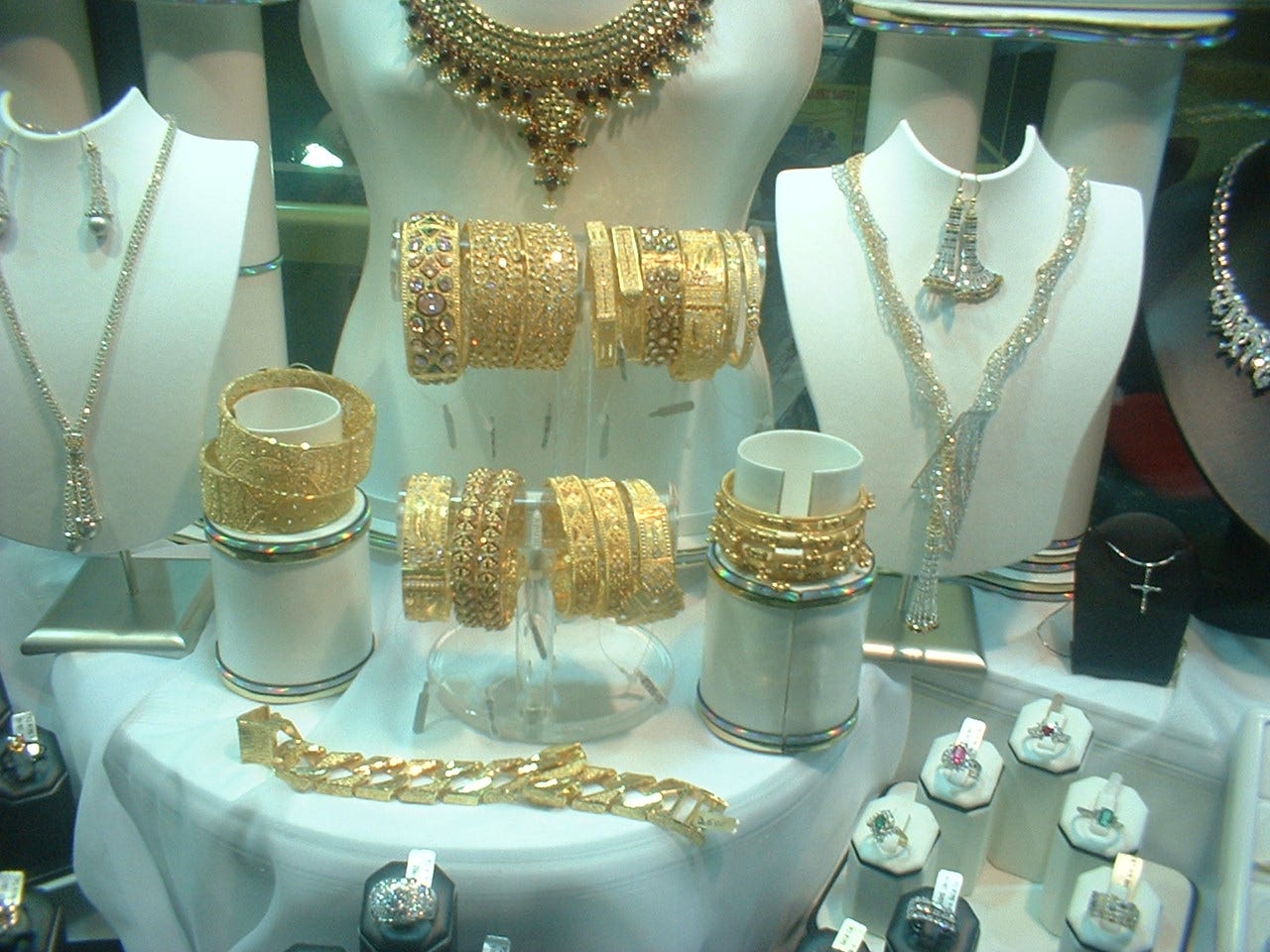
That a ring existed and was our mother’s and was lost by a sister who had been playing with it is accepted by all. We then enter the science of wet memory. The ring was lost either between floorboards in a rented room at 83 Clyde Road in the early years when our parents were broke (i.e. not the later years when our parents were also broke), else dropped into the brickwork of the Clyde Road house’s garden wall. The ring was either 21-carat gold, or a beautiful but — from a metallurgical point of view — valueless, metal hoop. Mum either bawled her heart out for three days non-stop upon discovering its loss, else did not notice for several weeks and when she finally did, shrugged and carried on. The story of the ring has been repeated sufficient times that the original recall of sisters and everyone else is now inextricably affected by subsequent attempts at retrieval and retelling. The ring as metallurgical phenomenon meanwhile, is somewhere and indifferent to all these attempts at recall; it exists, either smelted down and its atoms redistributed into other jewellery or the National Gold Reserves, else still in roughly its original form, and remaining in the cavity of that garden wall else under the Clyde Road house original floorboards, else in neither of these two places. Yet its residence in memory has multiplied: from two sisters to all siblings, and now to you, the reader of this paragraph. In that sense, the ring is eternal. I have toyed with the idea of going to the Clyde Road garden wall – it still exists – and tearing it down to see if the ring is there. Yet, what would that achieve? The ring is now a story, and its discovery as an object has no bearing on this story, might even kill the story. The ring’s indeterminacy is the story’s lifeblood.


